
The short answer: Yes. Walking genuinely reduces stress, and the evidence is substantial. Even a short walk can lower cortisol levels, lift your mood, and break the anxiety spiral.
Why Stress Feels So Physical
Stress is not just a feeling. When your brain perceives a threat — a deadline, a difficult conversation, a packed inbox — it triggers a cascade of physical responses. Your cortisol spikes. Your heart rate climbs. Your muscles tighten. Your body is preparing to fight or flee something that, usually, you cannot punch or outrun.
That mismatch between your biology and your modern life is where walking comes in. It gives your stress response somewhere to go.
What the Science Actually Shows
Walking Lowers Cortisol
Cortisol is your primary stress hormone. Chronically elevated cortisol is linked to anxiety, poor sleep, weight gain, and weakened immunity. A 2019 study at the University of Michigan found that a 20-minute “nature experience” — including walking in a park — reduced cortisol levels by approximately 21% per hour.
Hunter et al., “Urban Nature Experiences Reduce Stress,” Frontiers in Psychology, 2019
Every Step Counts — Literally
A 2023 meta-analysis in the European Journal of Preventive Cardiology found that each additional 1,000 steps per day reduces all-cause mortality by approximately 15%. Benefits begin at as few as 4,000 steps. You do not need to reach any particular milestone to start protecting your health.
Banach et al., European Journal of Preventive Cardiology, 2023
Walking Protects Your Heart
Chronic stress takes a measurable toll on cardiovascular health. Regular aerobic exercise like walking raises HDL (“good”) cholesterol by an average of ~2.5 mg/dL, which helps protect against heart disease. The American Heart Association includes walking among its recommended activities for cardiovascular health.
Kodama et al., Archives of Internal Medicine, 2007; AHA Physical Activity Guidelines
Walking Reduces Dementia Risk
A JAMA Neurology study found that walking approximately 9,800 steps per day was associated with a ~50% lower risk of dementia. Even 3,800 steps per day reduced the risk by 25%. Walking increases cerebral blood flow, particularly benefiting the hippocampus.
del Pozo Cruz et al., JAMA Neurology, 2022
Does Walking Help Anxiety Specifically?
Yes — and the mechanism is well understood. Anxiety involves both a cognitive loop (worried thoughts) and a physiological state (elevated heart rate, muscle tension, shallow breathing). Walking interrupts both.
Rhythmic movement activates the parasympathetic nervous system — the “rest and digest” counterpart to the stress response. Your breathing deepens. Your heart rate settles. The mental chatter quiets.
Walking outdoors amplifies this effect. Exposure to natural environments has been shown to reduce anxiety more than walking indoors. If you have a route that takes you past something green, use it.
How Much Walking Is Enough?
The WHO recommends 150–300 minutes of moderate-intensity aerobic activity per week for adults — roughly 30 minutes a day, five days a week. Brisk walking qualifies.
But you do not need to hit 150 minutes before you feel anything:
- 10 minutes is enough to reduce acute stress and improve energy levels.
- 20–30 minutes is where cortisol reduction and sleep benefits become consistent.
- 150 minutes/week is where long-term cardiovascular and metabolic benefits solidify.
WHO Guidelines on Physical Activity and Sedentary Behaviour, 2020
How to Make It Stick
Knowing that walking reduces stress is the easy part. The hard part is lacing up your shoes on a grey Wednesday when you are tired and behind on everything.
- Attach it to something that already happens. After your morning coffee. Before you check your phone. During your lunch break.
- Make it social. Walking with a friend — or knowing a friend can see your progress — dramatically increases follow-through.
- Give it a goal beyond a number. Step counts are useful but easy to ignore. Goals with narrative — finishing a route, maintaining a streak, completing a weekly challenge — tap into something more intrinsic.
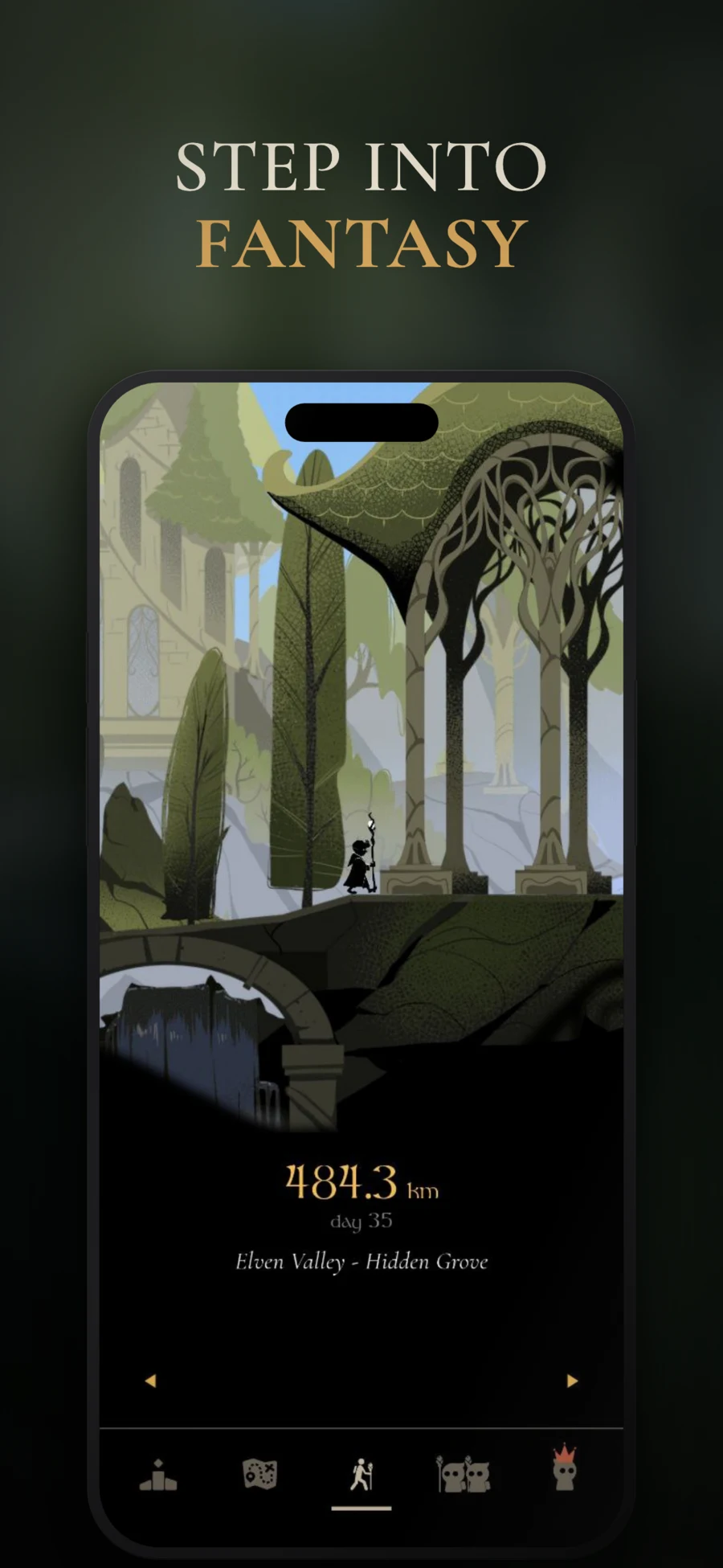
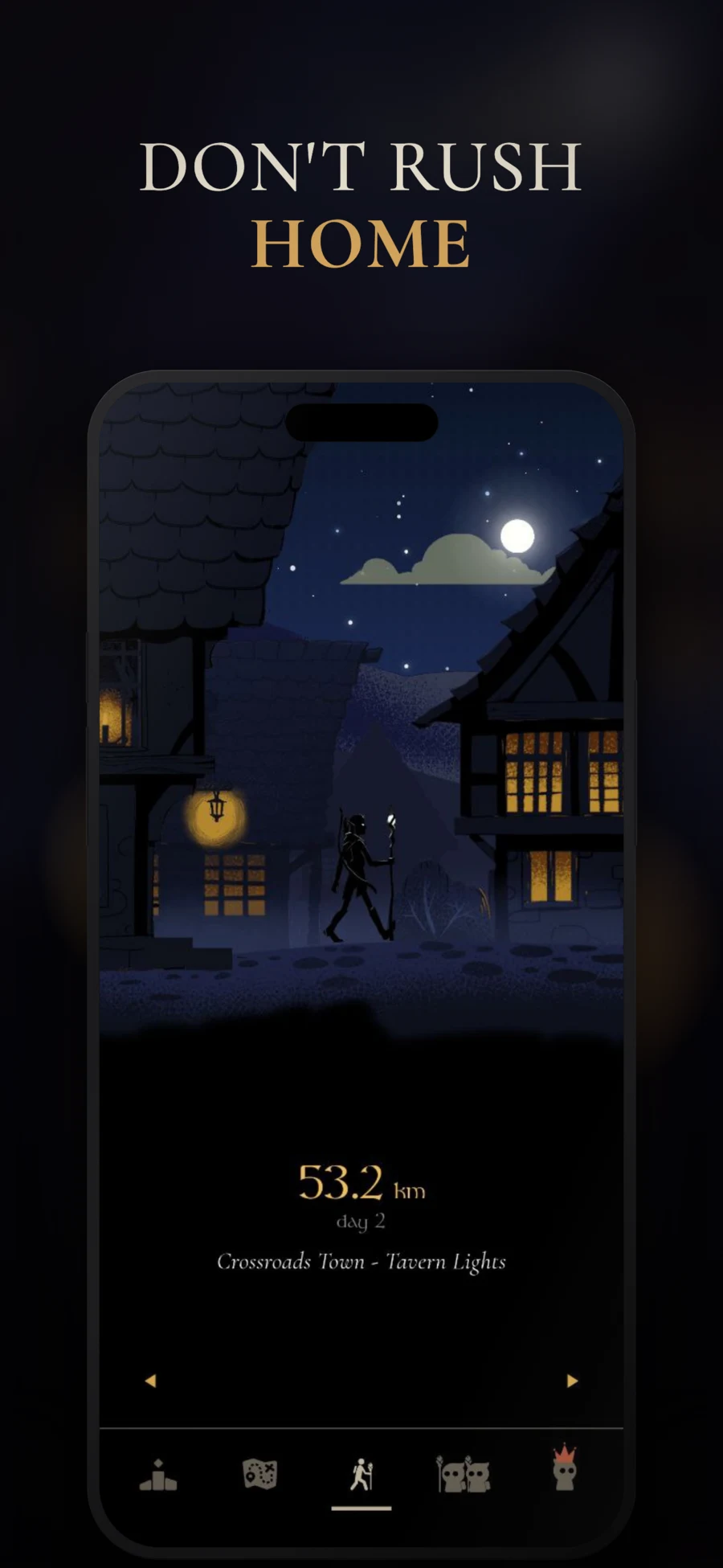
This is part of what MistyWay was built around. The app turns your daily steps into a fantasy adventure — your walks unlock story progress, you share streaks with friends, and weekly quests give you a reason to head out even when motivation is low. It does not change the walk itself, but it changes what the walk means.
If you're looking to build a consistent walking routine, read our guide on building a daily walking habit. And if the 10,000-step goal feels daunting, you'll be relieved to learn where that number actually came from.
Walking also boosts creativity by 60%. New to MistyWay? Start with the beginner's guide. Curious how walking compares to running for mental health? The answer may surprise you — read our walking vs running comparison. And if winter makes outdoor walks harder, here is how to keep your streak alive in cold months.
The Bottom Line
Walking reduces stress. It lowers cortisol, improves cardiovascular health, reduces dementia risk, and the dose required to feel something is surprisingly small. You do not need a gym, a training plan, or a perfect window of time. You need shoes and somewhere to go.
Walking games can make stress-relief walks more engaging. See our 7 best walking games for options that turn steps into gameplay. Or compare gamified step counters vs plain pedometers to find what keeps you moving. If you prefer a no-ads experience, check our free pedometer picks.
Some people walk for money instead of (or along with) stress relief. See which apps actually pay you to walk and our Sweatcoin alternatives comparison.