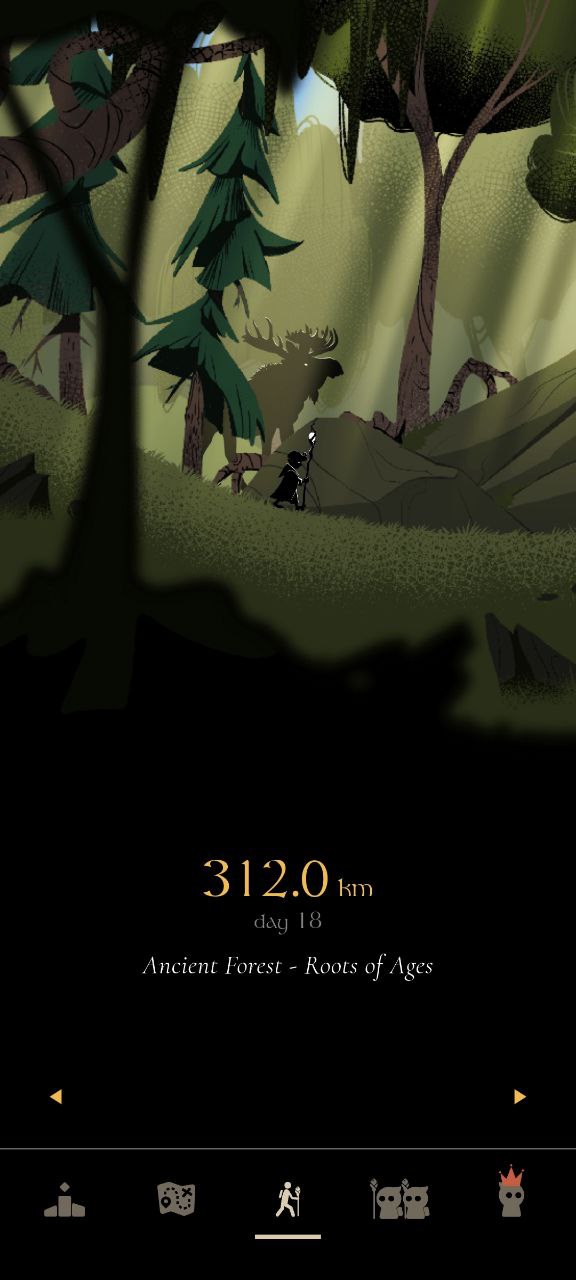
The WHO recommends 150–300 minutes of moderate physical activity per week for adults — roughly 7,000–8,000 steps a day if walking is your main activity. Most people know this. Very few actually do it consistently. The gap between knowing and doing is where habits break down.
Here's what works, based on behavioral science and patterns we've observed across 8,000+ walkers using MistyWay.
Start With a Goal You Can't Fail
The biggest mistake is starting at 10,000 steps on day one. If you currently walk 3,000 steps, jumping to 10K means tripling your activity overnight. That works for about four days.
Instead, start with your current average plus 1,000. If you walk 3,000 steps now, set 4,000 as your daily goal. When that feels easy for two weeks, bump it by another 1,000. MistyWay asks new users about their motivation during onboarding and suggests a starting goal that matches — not an arbitrary 10K.
The best daily step goal is one you can hit 6 out of 7 days. If you're hitting it every day without effort, it's time to raise it.
Why Streaks Work Better Than Step Counts
A number on a screen is easy to ignore. A streak — “14 consecutive days of hitting your goal” — creates what psychologists call loss aversion. Once you have a 14-day streak, skipping today means losing all of it. That feeling is more powerful than the abstract motivation of “being healthy.”
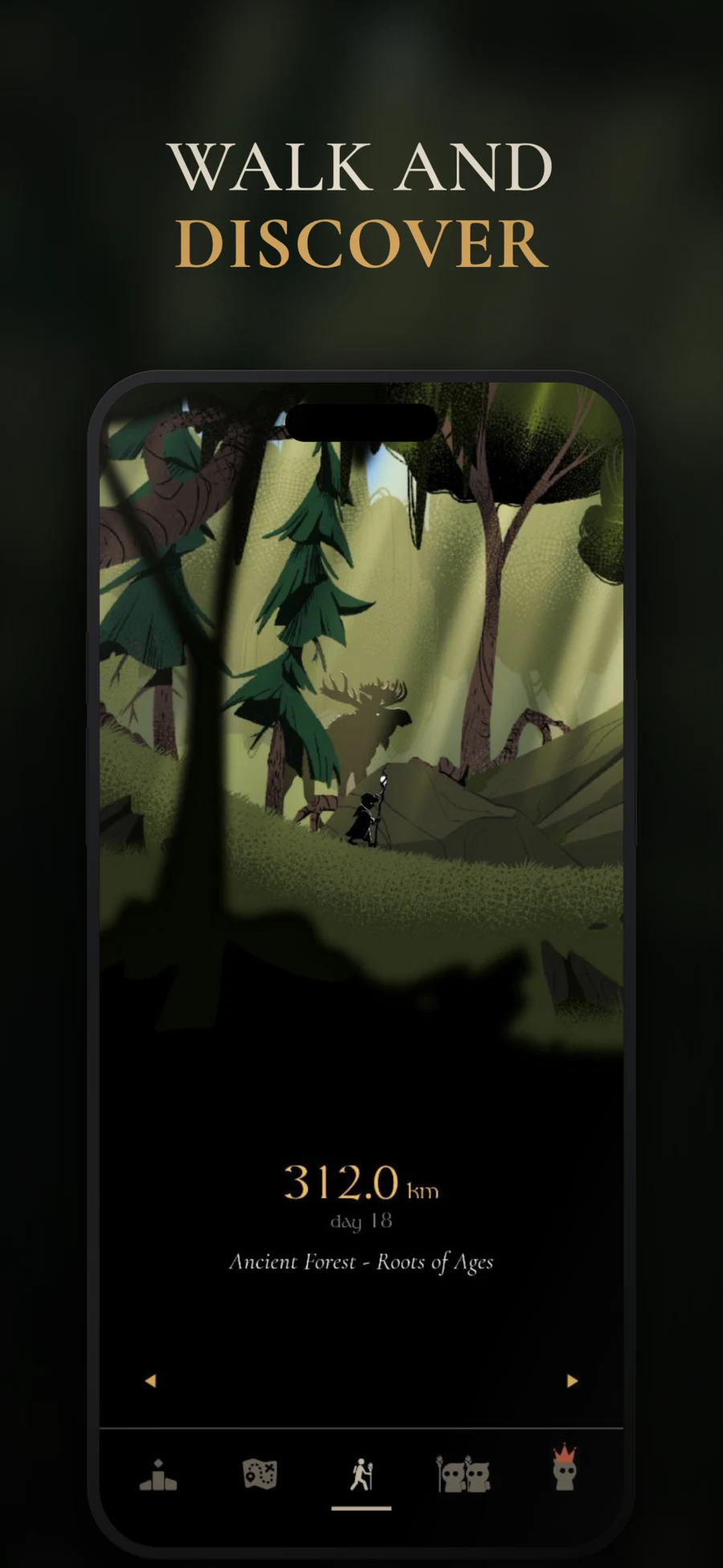
This is the same principle behind Duolingo's famously effective streak system. MistyWay applies it to walking: daily goal tracking, milestone celebrations at 7, 14, 30, and 100 days, and a “danger mode” that warns you when fewer than 4 hours remain and your goal isn't met.
The Safety Net: Streak Freezes
Strict streaks are fragile. One sick day, one rainy Sunday, and the streak is gone — along with the motivation. That's why streak freezes exist. In MistyWay, you get one freeze per week for free (three with Premium). If you miss a day and have a freeze available, it's consumed automatically and your streak survives. This small safety net makes the difference between a streak that lasts two weeks and one that lasts three months.
Social Pressure — the Gentle Kind
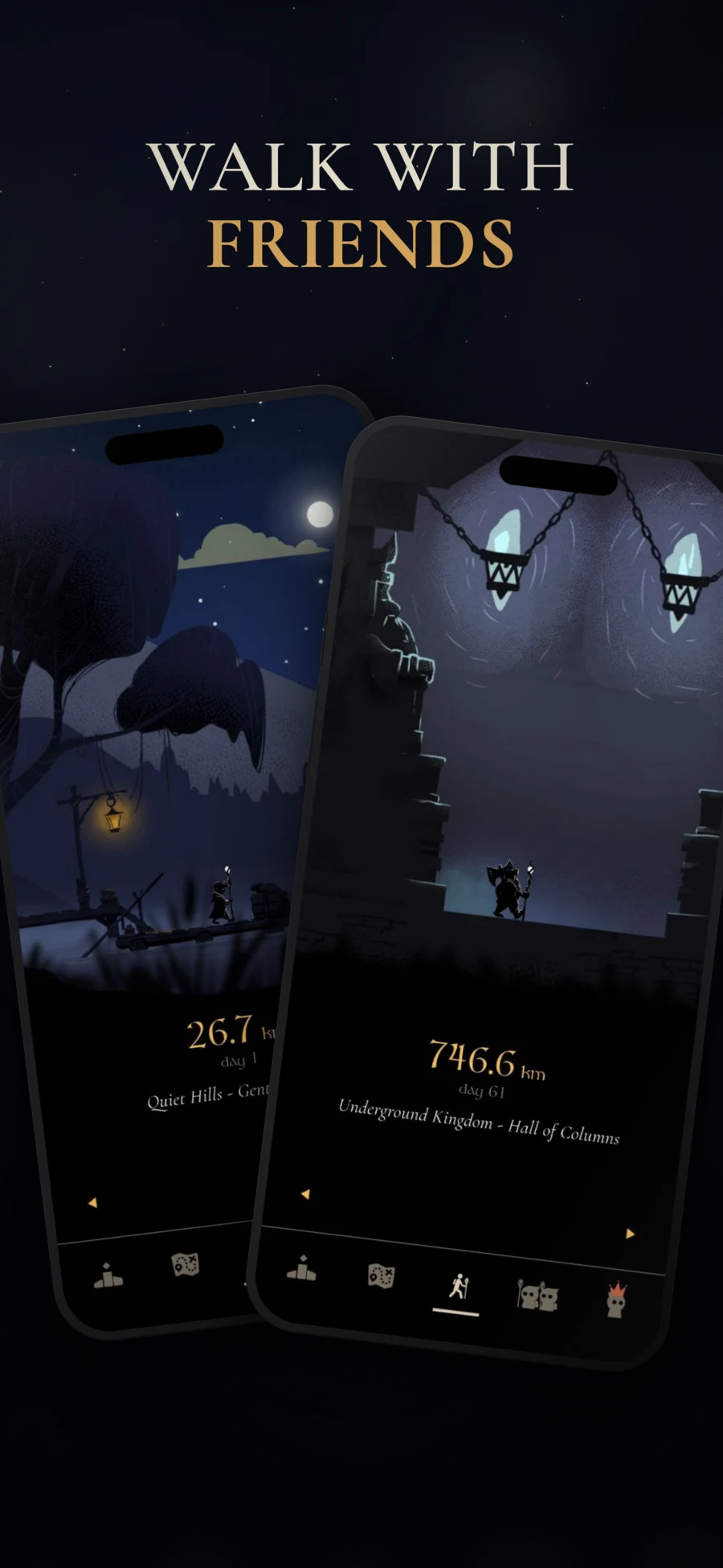
MistyWay users with 3 or more friends in the app take 30% more steps on average. This isn't because of aggressive competition — it's because knowing someone can see your progress changes your behavior.
The social features that work best for building habits:
- Overtake notifications: You get a push notification the moment a friend surpasses your total distance. That tiny sting is enough to make you take the stairs instead of the elevator.
- Leaderboards you can't hide from: Your friends see your distance. Not walking today is visible.
- Notes on the map: Friends can leave short messages at locations they've discovered. Walking past a friend's note makes the journey feel shared, even when you walk alone.
- Rest Mode: If you're far ahead, you can pitch a tent and wait for friends to catch up. They get progress updates at 25%, 50%, 75%, and 90% of the way.
The Science of Walking
Walking isn't just about step counts. The research on its health benefits is remarkably consistent:
- −21% cortisol per hour after a 20-minute nature walk (Hunter et al., Frontiers in Psychology, 2019)
- −15% mortality per 1,000 steps — each additional 1,000 daily steps reduces all-cause mortality (European Journal of Preventive Cardiology, 2023)
- +2.5 mg/dL HDL cholesterol with 150 minutes of walking per week (Kodama et al., Archives of Internal Medicine, 2007)
- −~50% dementia risk at ~9,800 steps/day (JAMA Neurology, 2022)
- ~266 kcal/hour burned at 5 km/h for a 70 kg person, MET 3.8 (Compendium of Physical Activities, Ainsworth et al., 2011)
The key takeaway: you don't need intense exercise. Moderate, consistent walking delivers most of these benefits. The hard part is “consistent.”
7 Practical Tips
- Walk to something, not for exercise. A coffee shop, a park, a friend's house. Having a destination makes the walk feel purposeful.
- Set your goal at onboarding, not later. The moment you decide “I'll figure out my goal tomorrow” is the moment the habit stalls.
- Add one friend. Just one person who can see your progress. It changes everything.
- Don't skip two days in a row. One off day is fine (that's what freezes are for). Two in a row breaks the mental pattern.
- Walk early. Evening walks get cancelled by fatigue, weather, and life. Morning walks happen.
- Use a walking app that rewards you. It doesn't have to be MistyWay, but it should be something that makes opening the app feel good — not guilty.
- Track weeks, not days. A bad Tuesday doesn't ruin a great week. Weekly quests in MistyWay give you 7 days to complete a personalized distance goal — miss Monday, make it up on Wednesday.
Not sure how many steps to aim for? The 10,000 steps target is a marketing myth — science says 7,000–8,000 is plenty. If changing body composition is your goal, use our research-backed walking for weight loss plan to match steps, pace, and diet. And if you want to understand the mental health side, read what science says about walking and stress.
Want to understand the full streak system? Read the streak guide with all 7 milestones and Danger Mode. Walking also boosts creativity by 60% (Stanford, 2014). Starting after 50? Our article on walking after 50 covers age-specific research. And if winter is slowing you down, see how to keep walking through cold months.
The Bottom Line
Building a daily walking habit comes down to three things: a goal you can realistically hit, a streak you don't want to lose, and at least one person who cares about your progress. Everything else — apps, devices, podcasts, playlists — is optimization on top of those fundamentals.
MistyWay was built around these three principles. If you're looking for a walking companion that makes the habit stick, give it a try — it's free on iOS and Android.
Need help staying consistent? A gamified step counter can help — see our gamified vs plain pedometer comparison.