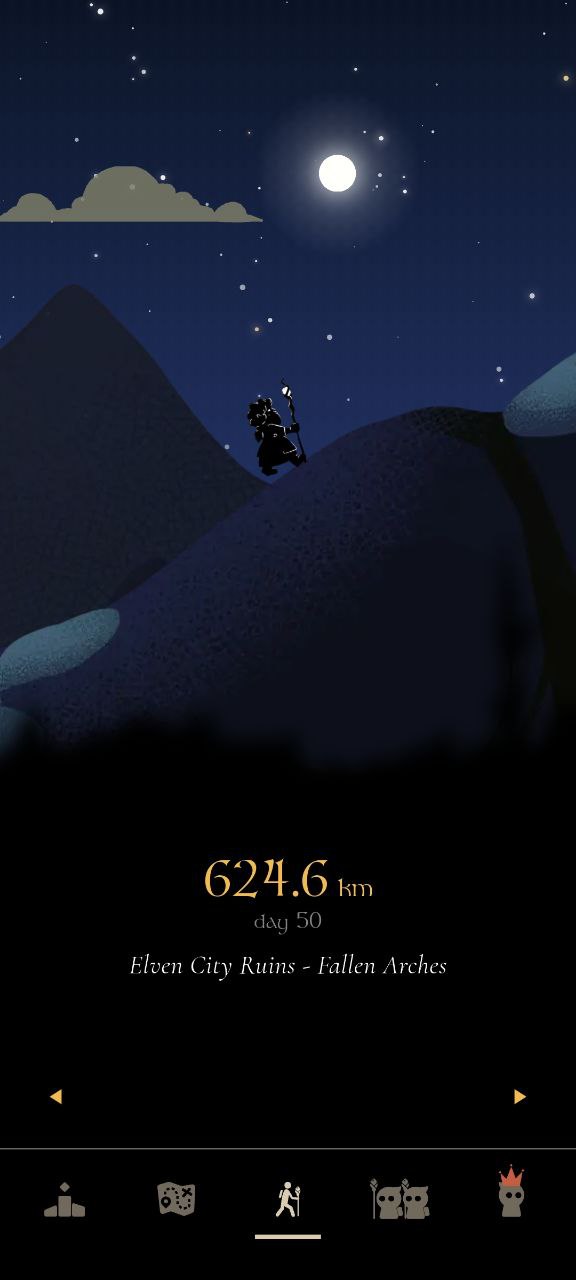
Winter has a way of quietly stealing your steps. The days shrink, the sidewalks ice over, and before you know it your daily walk has become a distant memory. But losing your streak does not have to be the price of the season.
The Winter Walking Gap
Adults walk an average of 1,737 fewer steps per day in winter compared to warmer months — a decline of roughly 15–20%. A 2022 systematic review confirmed this pattern across 22 of 26 studies examining seasonal variation in physical activity.
Clemes SA et al. J Physical Activity & Health, 2011. PMID 21297183 | Systematic review: PMC8751121, 2022
Three factors drive the drop: disappearing daylight removes the visual cue to go outside, cold air triggers physiological reluctance, and ice adds legitimate safety concerns.
The Silver Lining: Cold Burns More
Exercising in cold weather is genuinely harder work for your body. Research found that cold-weather exercise burns up to 34% more total energy than the same activity in temperate conditions.
Ocobock C. Am J Physical Anthropology, 2016. PMID 27561011
Cold exposure raises metabolic rate by approximately 17% above baseline in lean individuals, driven by brown fat activation and shivering thermogenesis. A 30-minute winter walk delivers more metabolic benefit than the same walk on a mild spring afternoon.
Brychta RJ, Chen KY. J Clin Endocrinol Metab, 2019. PMID 31150063
Indoor Alternatives That Count
When the weather is genuinely unsafe, moving indoors is adapting, not giving up. Every option below registers steps on your phone's accelerometer.
- Treadmill walking delivers comparable cardiovascular benefits. If you need help syncing your treadmill steps, see our guide to connecting fitness devices to MistyWay.
- Mall walking has been CDC-endorsed since 1982. Climate-controlled, flat, well-lit. Many malls open early for dedicated walkers.
- Walking pads — compact under-desk treadmills that generate consistent steps at a slow 2 mph pace.
- Micro-sessions — pacing on calls, taking stairs, walking during TV breaks. Your phone accelerometer counts all of it.
Nature walking reduces cortisol by 21% per hour, and treadmill walking is also beneficial though somewhat less so (Hunter et al., 2019). Even a short outdoor walk in daylight outperforms a longer indoor session for stress relief. More on that in our article on walking and cortisol.
Safety in Snow and Ice
The CDC estimates winter falls cause approximately 1 million injuries per year in the US, with around 17,000 fatal. Seniors are disproportionately affected — 26% of fall-related ED visits among older adults occur in winter.
- Traction devices. Slip-on ice cleats transform dangerous paths into manageable surfaces. Inexpensive, lightweight, highest-impact winter walking gear.
- Shorten your stride. Flat-footed, shorter steps keep your center of gravity over your feet.
- Layer smart. Moisture-wicking base, insulating mid, wind-resistant outer. Avoid thick single coats that restrict balance.
- Be visible. Reflective vest or clip-on light in low-light conditions. Winter pedestrian fatalities spike partly from reduced visibility.
Protecting Your Streak
Missing a single day does not break a habit. A landmark study by Lally and colleagues found that occasional lapses had no meaningful long-term impact on habit formation. The median time for a behaviour to become automatic was 66 days — and single missed days simply did not derail the process.
Lally P et al. Eur J Social Psychology, 2010
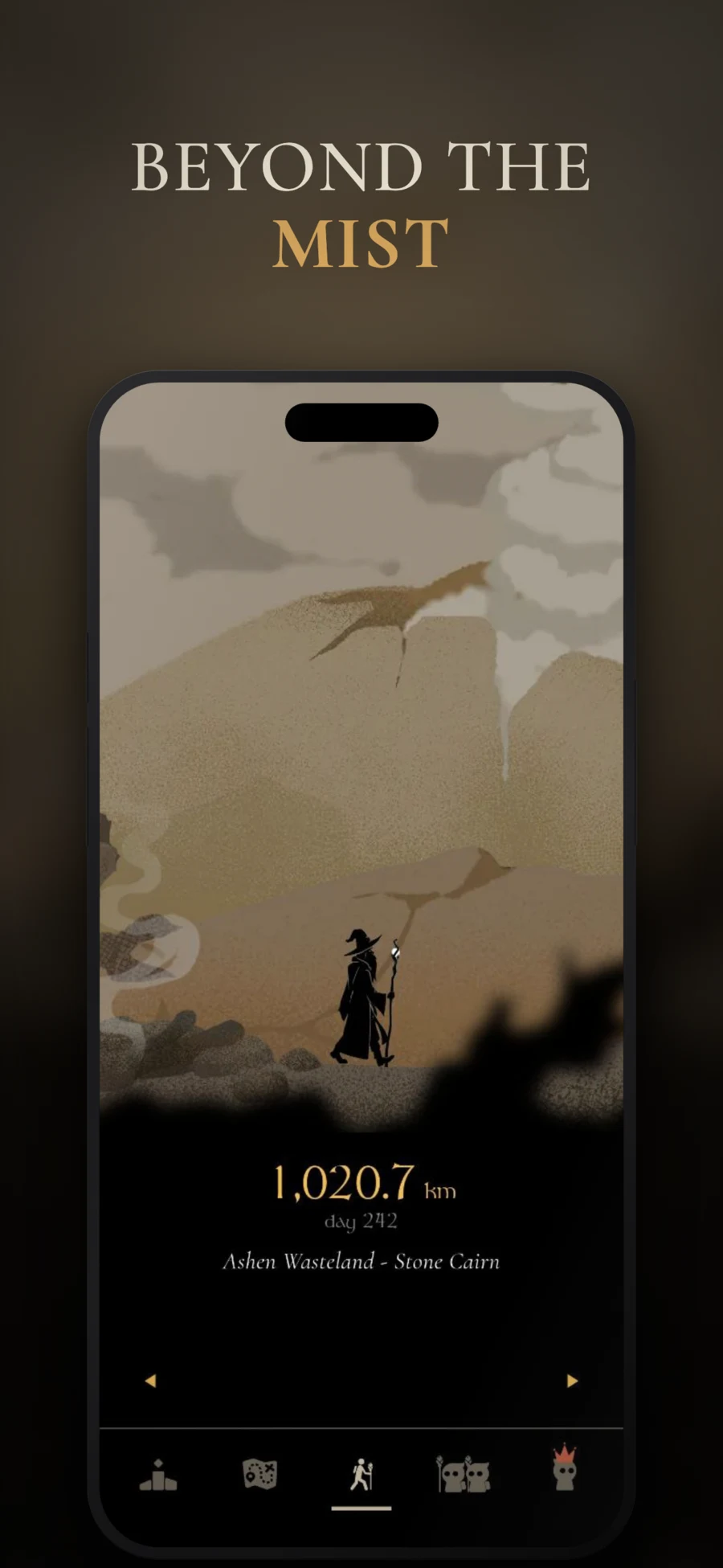
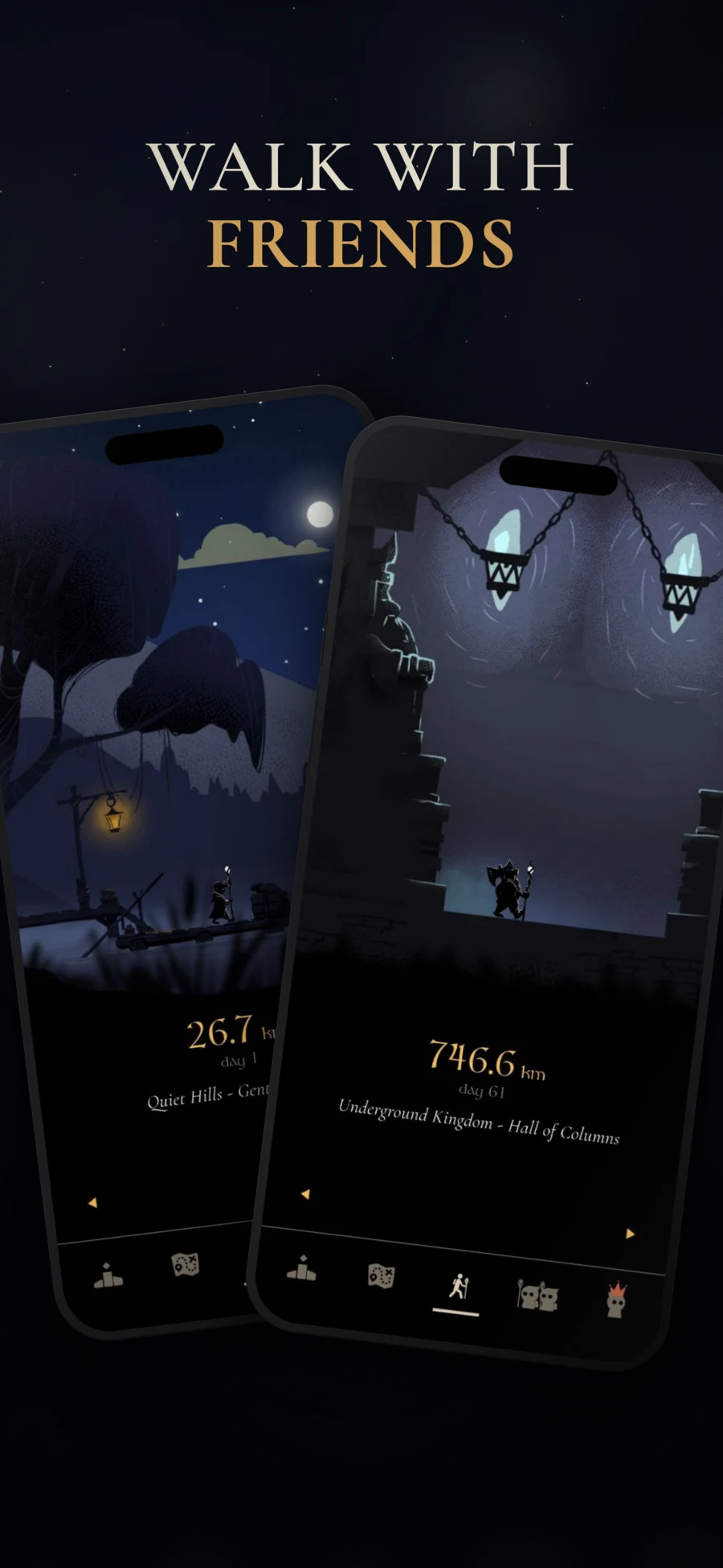
MistyWay builds on this research. Streak freezes exist for days when ice or illness makes walking impossible — one bad-weather day does not erase weeks of effort. Weekly quests give you a full 7-day window: miss Monday to an ice storm, walk extra on Wednesday.
For more on building the underlying habit that makes winter consistency feel natural, our guide to building a daily walking habit covers the Lally research in detail.
The Bottom Line
Winter walking asks more planning, more layers, more creativity. But the calorie burn is higher, the habit science is on your side, and the indoor alternatives are better than most people assume. Use the cold as a reason to adapt, not a reason to stop.